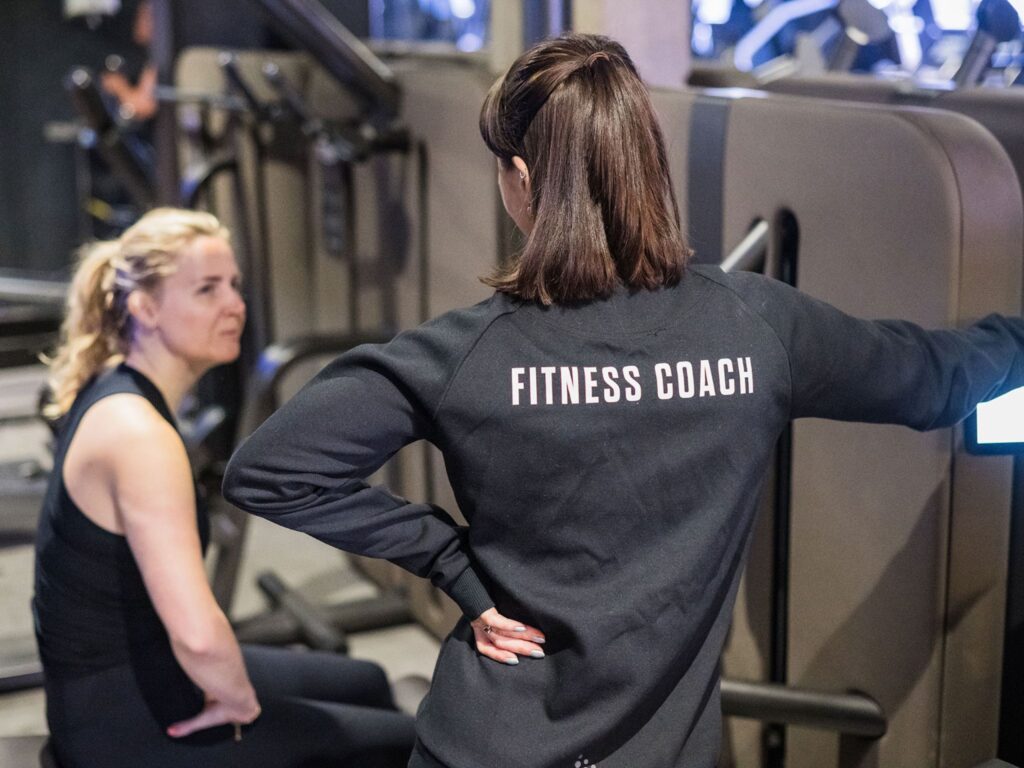
I’ve spent a large part of my career around personal trainers.
I’ve been one, employed them, developed them and built businesses around them. Over that time, I’ve seen some incredibly knowledgeable PTs struggle and some far less knowledgeable PTs become very successful.
I’d like to see more of the knowledgeable ones win.
Knowledge matters. It gives you genuine confidence and authority. The problem is that having knowledge and being able to portray that knowledge are two very different things.
You can know more than the person standing next to you, but if they communicate with confidence, demonstrate their expertise and connect with people better than you do, there is a good chance they will get the client.
That doesn’t make knowledge less important. It means we need to get better at showing it.
The Art of Coaching as a Successful Personal Trainer
For me, the art of good coaching is the bespoke ability to get somebody to adhere to a programme.
That word bespoke is important.
What motivates one client can completely switch another one off. Some need accountability. Some need encouragement. Some want detail and data. Others couldn’t care less about the science and simply want to know what to do next.
There are successful PTs who have their way of coaching and become very good at finding clients who respond to that approach. There is nothing wrong with that.
I’ve always preferred to be adaptive.
If I can change the way I communicate and coach depending on the person in front of me, I can help a much wider range of people.
That doesn’t mean you can’t have a niche. Your niche might define who you help or what problem you solve. Your approach determines how effectively you can work with the different personalities within it.
The programme can be brilliant on paper. If the client doesn’t adhere to it, it isn’t going to work.
So, Is It a Good Programme?
As PTs, we can all sit around and look at somebody else’s programme.
We can debate the exercise selection, sets, reps, order, frequency and progression. As professionals, those discussions can be interesting and useful.
However, without knowing the client, their goals and the thinking behind it, beyond a certain point it would be foolish to comment.
There is really only one way to judge whether it is a good programme.
Is it getting results for that client?
That isn’t just about whether the physiology works on paper.
Has the client bought into you? Have they bought into the idea? Do they understand the programme? Do they believe in it enough to actually follow it?
You can write the most scientifically perfect programme in the world. If it sits unopened in someone’s inbox, it isn’t a good programme for that person.
A technically less sophisticated programme that somebody follows consistently may produce far better results.
That’s coaching.
PTs Have to Sell
The word sell can make people in our industry uncomfortable. It shouldn’t.
As a PT, you need to sell.
Not just £££.
- You need to sell yourself.
- You need to sell your knowledge.
- You need to sell the programme.
- You need to sell the idea behind the programme.
Most importantly, you need to keep selling the client on why what they’re doing matters.
That might mean explaining why we’re doing something they don’t particularly enjoy. It might mean showing them progress they haven’t noticed themselves. Sometimes it means changing the message completely because the thing that motivated them six months ago no longer motivates them today.
That isn’t dodgy salesmanship. It’s coaching.
The client has to believe in what they’re doing enough to keep doing it.
Getting Your First Client
This is where knowledge, coaching and business start to overlap.
Getting your first client is probably the hardest part of becoming a PT.
Nobody knows you’re good yet.
You don’t have a long list of transformations, testimonials or referrals. You can’t rely on ten years of reputation because you haven’t built it yet.
So demonstrate your knowledge.
Give plenty away. Our expert advice resources are one way we put that into practice.
I’ve never understood the fear that giving useful information away for free somehow devalues what you sell. Done properly, it does the opposite.
Answer questions. Explain things. Help people. Show them that you understand their problem.
Give enough away that someone thinks:
“If they’re prepared to tell me all of this for free, how much more could they do for me if I actually worked with them?”
That’s very different from constantly telling people you’re an expert.
You’re letting them discover it for themselves.
You Are a Business
There is another lesson I think every new PT needs to understand.
You are a business in your own right, even when you’re operating inside somebody else’s.
You might be self-employed. You might rent space in a gym. You might be employed by a health club or work underneath somebody else’s brand.
It doesn’t really matter.
You still have customers. You still have a reputation. You still need to create value. You still need to retain clients. You still need people to recommend you.
You have a product too.
It’s you.
That doesn’t mean pretending to be something you’re not. In fact, I think the opposite works better.
Develop genuine knowledge. Learn how to communicate it. Give plenty of it away. Demonstrate what you know rather than repeatedly telling people how good you are.
Then learn how to coach the individual standing in front of you.
Get that first client. Do a brilliant job. Get them results. Let other people see what you’re capable of.
Then do it again.
A Qualification Is the Beginning
A personal trainer qualification matters. It gives you the technical foundations and the professional licence to start your career.
It isn’t the finished product.
Knowledge gives you authority.
Being able to demonstrate that knowledge gets people’s attention.
Your ability to adapt your coaching gets clients to adhere.
Their results build your reputation.
Your understanding of business turns that reputation into a career.
This thinking is a big part of why we’ve developed FS Academy the way we have.
I don’t just want someone to finish with a certificate that says they’re a qualified Personal Trainer.
I want them to understand what happens next.
How do you get that first client?
How do you demonstrate what you know?
How do you adapt your approach to the person in front of you?
How do you get somebody to believe in a programme enough to actually follow it?
How do you turn one successful client into the beginnings of a sustainable business?
The qualification gets you through the door.